

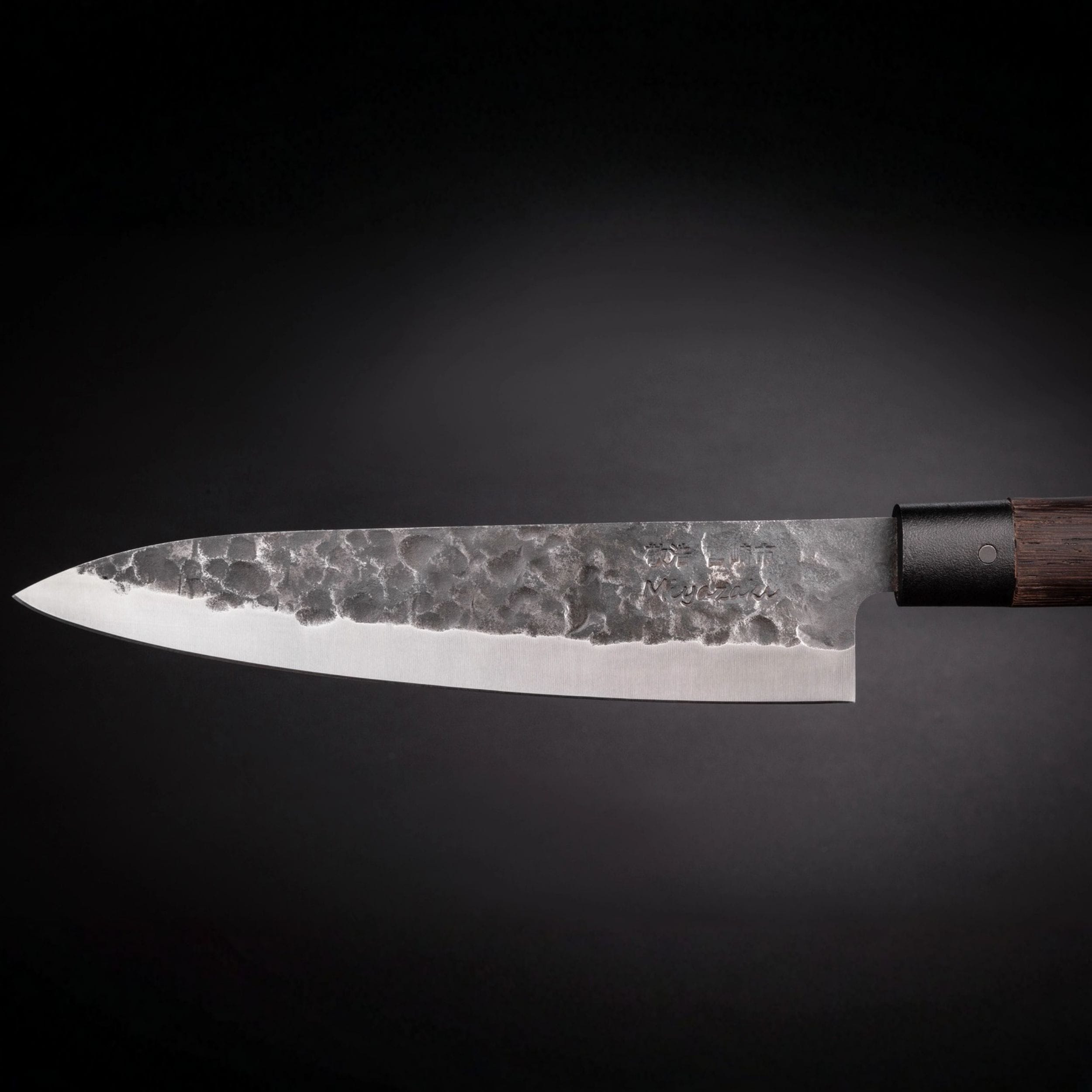
There’s a reason Japanese kitchen knives have earned such a remarkable reputation. And it goes back much further than the modern kitchen.
Centuries of Japanese Craftsmanship
The art of Japanese knife-making has its roots in centuries of metalworking and sword-making traditions. Over generations, skilled craftsmen developed techniques for forging, hardening and sharpening steel, creating blades designed for exceptional cutting precision.
As Japanese food culture evolved, so did its knives. Different blade shapes were developed for different ingredients and cutting techniques, from preparing delicate fish to finely slicing vegetables.
Today, that heritage continues to influence Japanese kitchen knives. Traditional workshops still produce hand-forged blades, while modern manufacturers combine Japanese design principles with contemporary materials and production methods.
It’s this combination of history, craftsmanship and innovation that makes Japanese knife-making so fascinating.
It’s All About the Steel
One of the defining characteristics of many Japanese kitchen knives is their use of carefully selected, often relatively hard steels.
Harder steel can support a fine cutting edge and help it retain its sharpness. Combined with a carefully designed blade profile and precise sharpening, this can produce a knife that slices cleanly with very little resistance.
But hardness alone doesn’t make a great knife. The heat treatment, blade geometry and final sharpening are just as important.
And that’s where the skill of the knife-maker really comes into play.
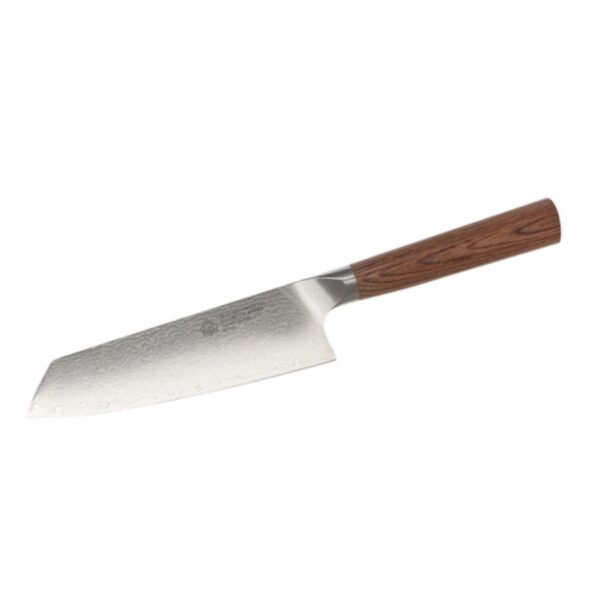
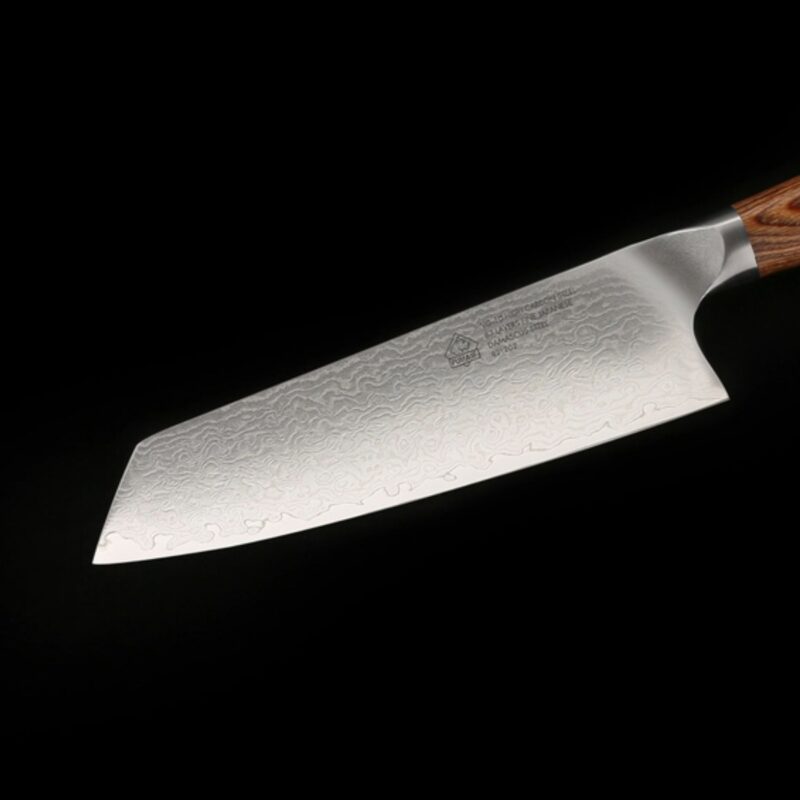
Take the PUMA IP Damascus Santoku VG-10 from the Fancy collection. Its VG-10 steel and distinctive Damascus design are two features worth exploring.
VG-10 is a Japanese stainless cutlery steel known for its combination of hardness, corrosion resistance and ability to take a fine cutting edge.
Damascus, meanwhile, refers to the layered or patterned appearance of the blade. It creates that beautiful, almost flowing pattern in the steel.
The pattern is certainly impressive, but it’s important to understand that Damascus doesn’t automatically make a knife sharper. Cutting performance ultimately depends on the blade’s construction, steel, heat treatment and sharpening.
Designed Around the Way You Cook
Another fascinating aspect of Japanese knife-making is the attention given to blade shape.
Rather than treating every kitchen task in exactly the same way, Japanese knife design has developed a wide variety of specialised blades.
Two particularly versatile examples are the Santoku and the Gyuto.
Santoku
The Santoku, which translates roughly as ‘three virtues’, is a versatile Japanese kitchen knife designed for preparing vegetables, meat and fish. Its broad blade and relatively straight cutting edge make it particularly suitable for controlled chopping and precise slicing.
But not all Santoku knives are created equal.
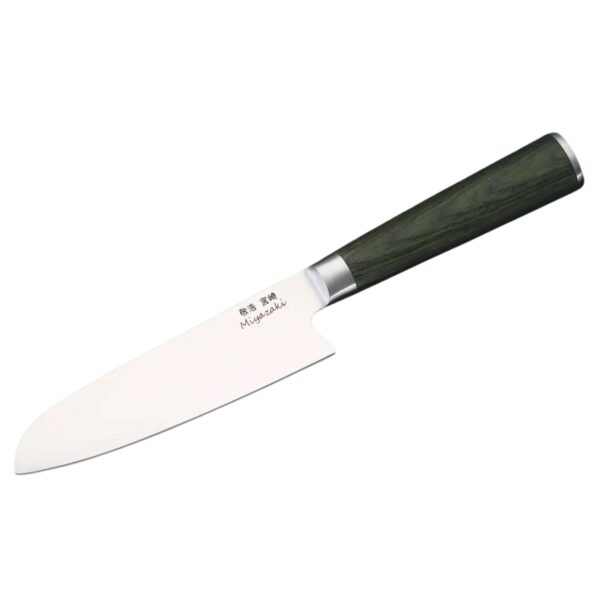
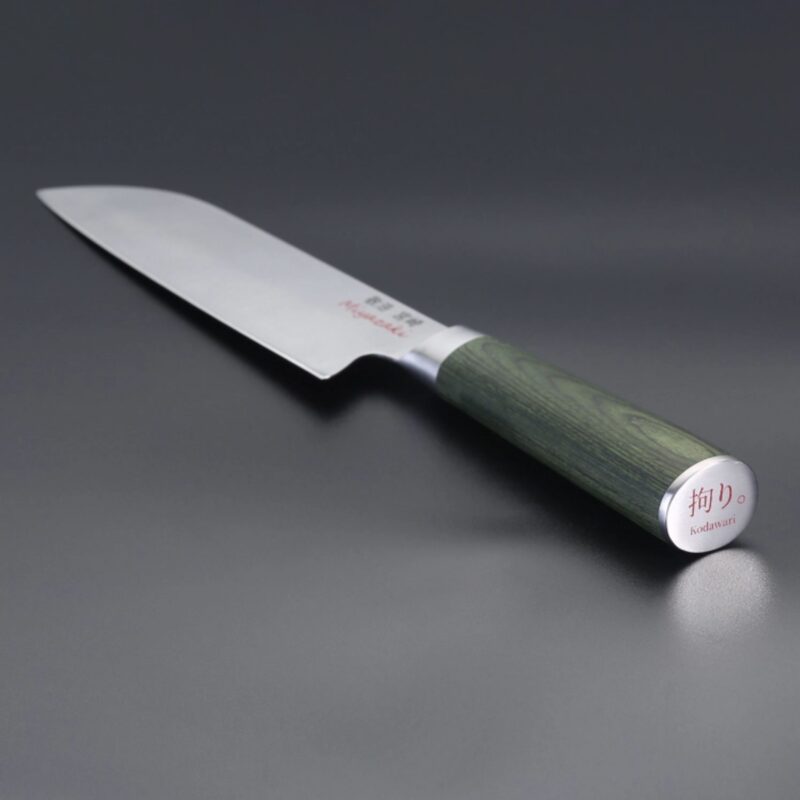
Our Miyazaki Kodawari Santoku features a compact 5-inch blade, ideal for those who prefer a smaller, more manageable knife for everyday preparation.
The PUMA IP Damascus Santoku VG-10, on the other hand, offers a larger 7-inch blade. Its distinctive Damascus pattern also makes it a particularly striking addition to any kitchen.
Gyuto
The Gyuto is Japan’s interpretation of the classic chef’s knife. With its longer blade, pointed tip and gently curved cutting edge, it’s designed for versatility, from finely chopping vegetables to slicing larger ingredients.
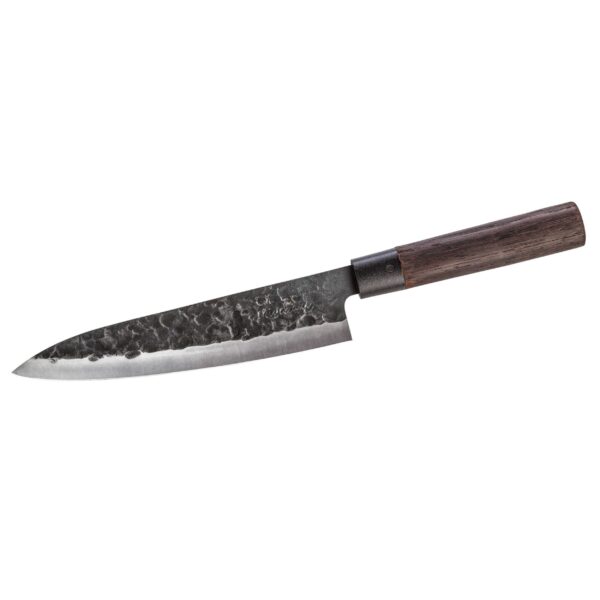
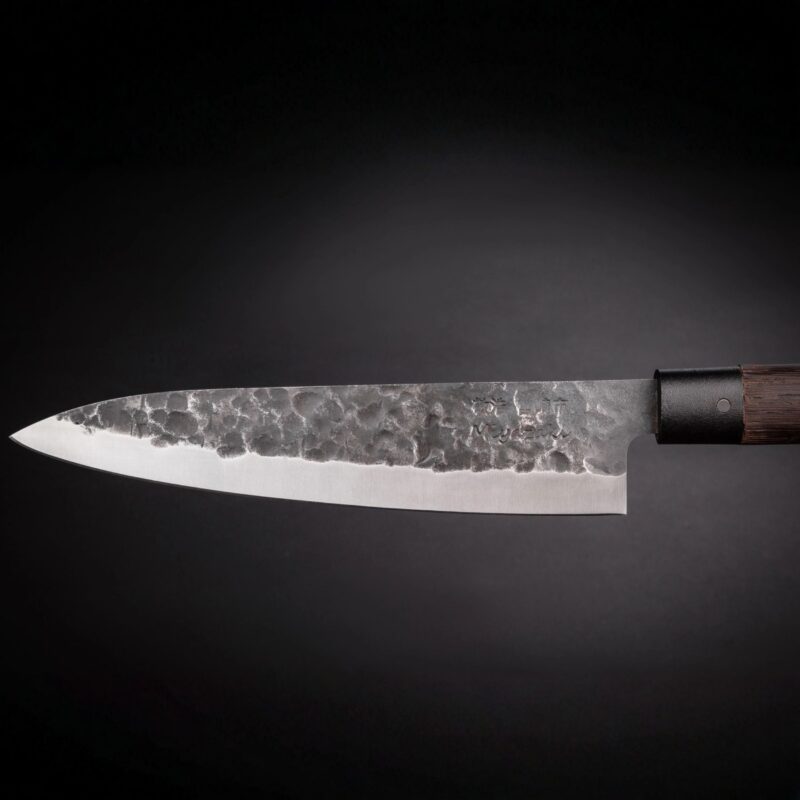
Our Takahiro Miyazaki Gyuto features an 8-inch blade, offering extra cutting length for cooks who appreciate the flexibility of a full-sized chef’s knife.
Three different knives, three different approaches to everyday cooking.
Which Japanese Kitchen Knife Is Right for You?
The right knife isn’t necessarily the most expensive one. It’s the one that feels right for the way you cook.
Prefer a compact, easy-to-handle knife for everyday preparation? The Miyazaki Kodawari Santoku is a lovely place to start.
Looking for something a little larger, with a beautiful Damascus finish? The PUMA IP Damascus Santoku VG-10 combines a versatile blade shape with a particularly striking design.
And if you prefer the length and flexibility of a classic chef’s knife, the Takahiro Miyazaki Gyuto might be exactly what you’re looking for.
Whichever you choose, a beautiful kitchen knife makes a wonderful gift for someone who genuinely loves cooking.
And yes, we’ll make sure it’s beautifully wrapped.
Boring gifts are for other people.
